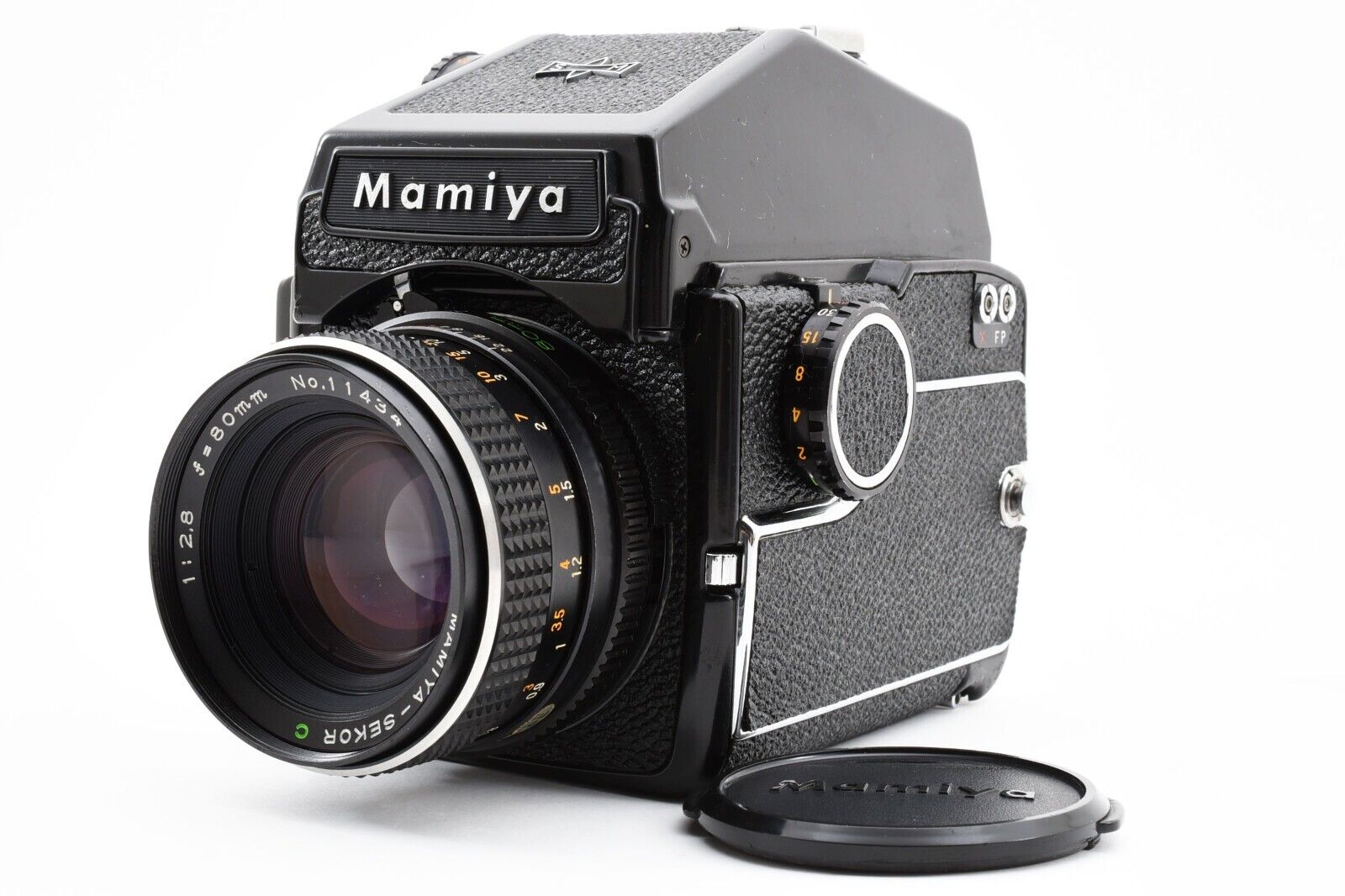
Google's Pixel 9 lineup, unveiled last week, has garnered impressive reviews. Google has made a point to plaster AI all over this release. What intrigued me were some of the AI features that were announced. Take a look at some of these in the video below:
These image models have existed for quite some time in an experimental setting, but putting them in the hands of millions of consumers is bound to unleash a whole different challenge. The major one: how do you prove the provenance of non-AI-generated images?
A photograph used to be evidence of reality, a frozen moment in time. Features like these break that assumption. When the camera itself blurs the line between captured and generated imagery, what counts as an authentic image? How do we navigate a world where the camera is no longer a reliable witness?
The CEO of Procreate has something to say about this as well:
We're never going there. Creativity is made, not generated.
— Procreate (@Procreate) August 18, 2024
You can read more at https://t.co/9Fgh460KVu ✨ #procreate #noaiart pic.twitter.com/AnLVPgWzl3
Model providers or device manufacturers are making some efforts to curtail this. For example, Meta's Llama (available via WhatsApp and Instagram) watermarks their AI-generated images as shown below.
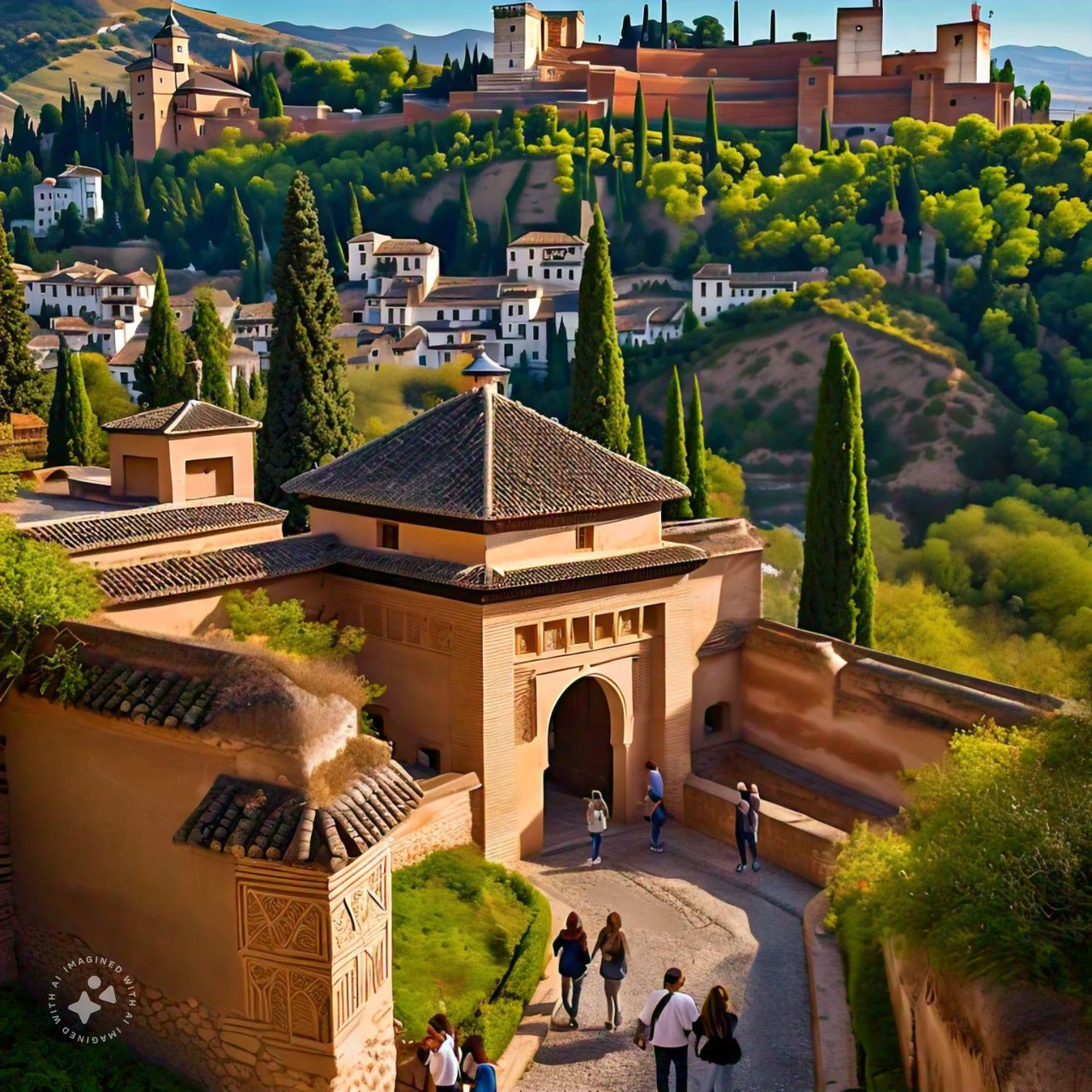
This is a futile effort because you have equally good watermark removal models. See: https://github.com/zuruoke/watermark-removal. Some other providers, add metadata in their image EXIF data to tag an image as AI-generated. This doesn't work as well because EXIF data can be easily overwritten.
This leaves us with three problems:
- Detection: current tools can't reliably tell AI-generated images from authentic ones.
- Trust: convincing false imagery is now cheap to create and manipulate.
- Shared reality: when visual evidence is unreliable, we lose a common reference for what happened.
We need a highly-scalable publicly verifiable chain of trust mechanism for non-AI-generated images. A public repository of signatures of images that are original, were never tampered with, or enhanced using AI. And a verifying mechanism that tracks every change done on top of that image. Sounds like an NFT, doesn't it? Well yes, if we could build a system without all the scammy tokens that just does this one thing right and is standardized by model providers and device manufacturers, where they also own the root of trust, then maybe we have a chance.
In the meantime, I find solace in the one photographic device I still trust. As you may have guessed, I'm referring to the venerable film camera.